Digital Marketing for Religious Organizations: Strengthening Connection in a Digital World
Religious organizations operate with a clear mission, strong community ties, and often limited internal resources. While the mission remains constant, the way communities engage has shifted significantly. Today, your website is often the first interaction someone has with your organization, before they attend a service, volunteer, or make a donation.
A strong digital presence is no longer optional. It is a foundational tool that supports communication, engagement, and long-term sustainability.
Your Website Is a Functional Tool, Not Just an Information Page
Many faith-based organizations built their websites years ago with a simple goal: provide basic information. Over time, programs grow, leadership changes, and communication needs expand, but the website structure often stays the same.
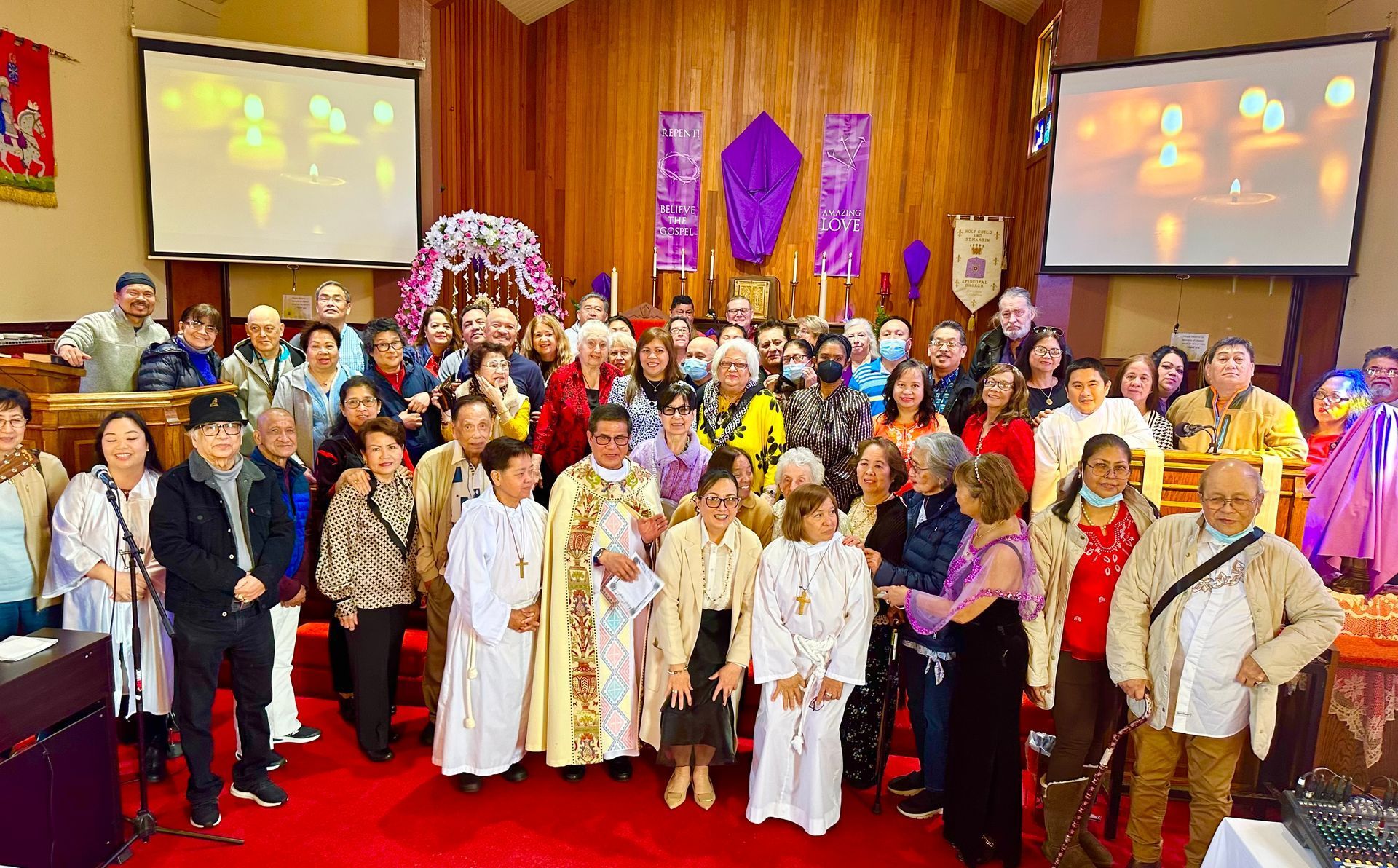
We’ve worked with organizations like Holy Child & St. Martin and MDSSF that were doing meaningful work in their communities, yet their websites were not fully supporting that work. Navigation was unclear, important information was difficult to find, and calls to action were not prominent.
A website should reduce friction. Visitors should immediately understand who you are, what you offer, and how to take the next step. When that path is unclear, engagement quietly declines.
Online Giving Should Be Simple and Secure
Digital giving has become standard across nonprofits, including religious organizations. If the giving process is confusing, difficult to access, or not mobile-friendly, donations can drop, even when commitment remains strong.
Integrating secure, streamlined giving tools directly into the website allows members to contribute consistently and confidently. Often, improving visibility of the giving button and simplifying the donation flow can increase contributions without increasing outreach or advertising spend.
The key is accessibility, not pressure.

Clear Communication Strengthens Community Engagement
Religious organizations rely on ongoing communication like service updates, events, volunteer coordination, and community initiatives. A well-structured website makes it easier for members to stay informed and involved throughout the week.
Mobile-friendly event calendars, clearly organized ministry pages, and consistent messaging reduce confusion and administrative strain. When information is easy to find, staff and volunteers spend less time answering repetitive questions and more time focusing on mission-driven work.
Digital systems should support your team, not overwhelm it.

Support Your Mission with Smarter Digital Strategy
Your organization is doing meaningful work. Let’s make sure your digital presence reflects it and supports long-term growth.